Liv Hospital Istanbul Highlights the Importance of Stem Cell Science in Bone Marrow Failure Recovery

Advances in regenerative medicine are transforming the way specialists understand and treat complex blood disorders, with stem cell science playing an increasingly important role in restoring bone marrow health. As global awareness around hematologic diseases grows, Liv Hospital continues to focus on innovative approaches that combine advanced diagnostics, regenerative medicine, and personalized treatment pathways for patients facing bone marrow failure.
The hospital’s latest educational focus on Stem Cell Overview and Definition reflects the growing importance of stem cell therapies in modern hematology and long-term systemic recovery.
Understanding Stem Cells in Modern Medicine
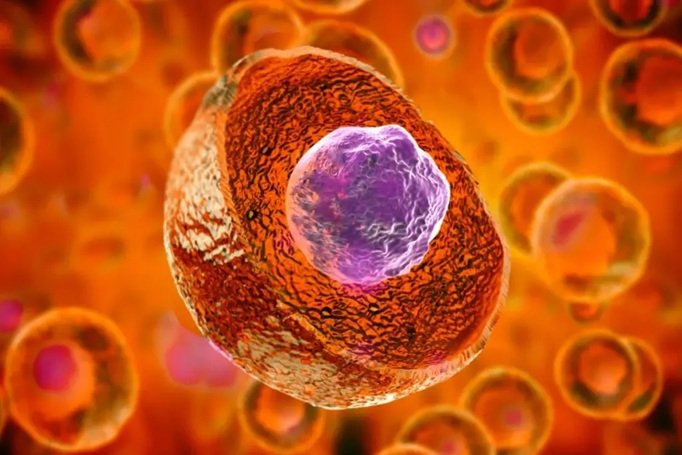
Stem cells are unique biological cells capable of developing into different specialized cell types throughout the body. Their regenerative abilities make them one of the most important components of advanced medical research and therapeutic innovation.
Within the hematopoietic system, stem cells are responsible for generating healthy blood cells inside the bone marrow, including:
- Red blood cells responsible for oxygen transport
- White blood cells that support immune defense
- Platelets essential for blood clotting and healing
When these stem cells become damaged or depleted, the body may lose its ability to maintain healthy blood production, potentially leading to serious conditions such as bone marrow failure.
What Is Bone Marrow Failure?
Bone marrow failure is a rare but serious medical condition in which the bone marrow can no longer produce enough healthy blood cells to support normal body function.
Unlike common forms of anemia linked to nutritional deficiencies, bone marrow failure involves direct dysfunction of hematopoietic stem cells — the foundational “seed” cells responsible for blood formation.
This disruption can result in pancytopenia, a condition characterized by reduced levels of all major blood cell types simultaneously.
As blood cell production declines, patients may experience:
- Chronic fatigue and weakness
- Frequent or persistent infections
- Pale skin and shortness of breath
- Easy bruising and prolonged bleeding
- Dizziness and irregular heartbeat
Medical experts emphasize that early identification is essential, particularly in severe cases where bone marrow cellularity drops below critical thresholds.
The Growing Role of Regenerative Medicine
Modern regenerative medicine no longer views bone marrow simply as a blood-producing organ. Instead, researchers now understand the marrow as a highly dynamic biological environment that depends on precise cellular communication and immune regulation.
Current stem cell therapies focus on restoring this environment rather than only managing symptoms.
Specialists at Liv Hospital integrate regenerative medicine strategies designed to:
- Support healthy stem cell regeneration
- Improve immune system balance
- Restore blood-forming capacity
- Enhance long-term systemic recovery
This evolving approach is helping reshape treatment standards for bone marrow disorders globally.
Advanced Diagnostics in Bone Marrow Failure
Accurate diagnosis is one of the most critical components of successful treatment planning.
The diagnostic process often begins with advanced blood testing, including Complete Blood Count (CBC) analysis to evaluate red blood cells, white blood cells, and platelet levels.
However, definitive diagnosis typically requires:
- Bone marrow biopsy
- Marrow aspiration analysis
- High-resolution flow cytometry
- Cellular morphology evaluation
In cases of bone marrow failure, clinicians often observe hypocellular marrow, where healthy hematopoietic tissue has been replaced by fatty tissue.
At Liv Hospital’s Hematopoietic Stem Cell Unit and Regenerative Medicine Laboratory, specialists use sophisticated diagnostic technologies to precisely evaluate marrow function and identify the underlying mechanisms affecting stem cell activity.
Stem Cell Transplantation and Modern Treatment Pathways
Treatment strategies for bone marrow failure vary depending on disease severity, patient age, and overall clinical condition.
For many patients, immunosuppressive therapies are used to calm abnormal immune responses that may be damaging stem cells. These treatments aim to create conditions where remaining stem cells can recover and repopulate the marrow.
In severe cases, bone marrow transplantation (BMT) remains one of the most definitive treatment options.
Modern stem cell transplantation protocols now include:
- Advanced donor matching techniques
- Improved conditioning regimens
- Enhanced infection control measures
- Refined post-transplant monitoring systems
These advancements have significantly improved integration of healthy donor stem cells and long-term patient outcomes.
Recovery and Long-Term Monitoring
Recovery following stem cell treatment requires continuous monitoring and multidisciplinary support.
Modern follow-up care focuses on:
- Monitoring blood count stability
- Tracking immune recovery
- Preventing infections and complications
- Supporting physical rehabilitation
- Improving long-term quality of life
Specialists also evaluate how effectively the regenerated marrow responds to physiological stress and maintains stable blood production over time.
At Liv Hospital, long-term survivorship care is considered an essential part of the treatment process, helping patients transition safely back into daily life while maintaining ongoing clinical support.
Global Interest in Stem Cell Therapies Continues to Rise
As regenerative medicine evolves, international demand for advanced stem cell therapies and specialized hematology programs continues to increase.
Patients from around the world are increasingly seeking medical centers capable of combining precision diagnostics, advanced transplantation expertise, and comprehensive recovery programs under one integrated care model.
With more than 30 years of medical experience and a growing international presence, Liv Hospital remains focused on advancing stem cell science and supporting patients through every stage of bone marrow failure treatment and recovery.
Experts believe the continued evolution of regenerative medicine and stem cell technologies will play a major role in shaping the future of hematologic care and systemic disease treatment worldwide.